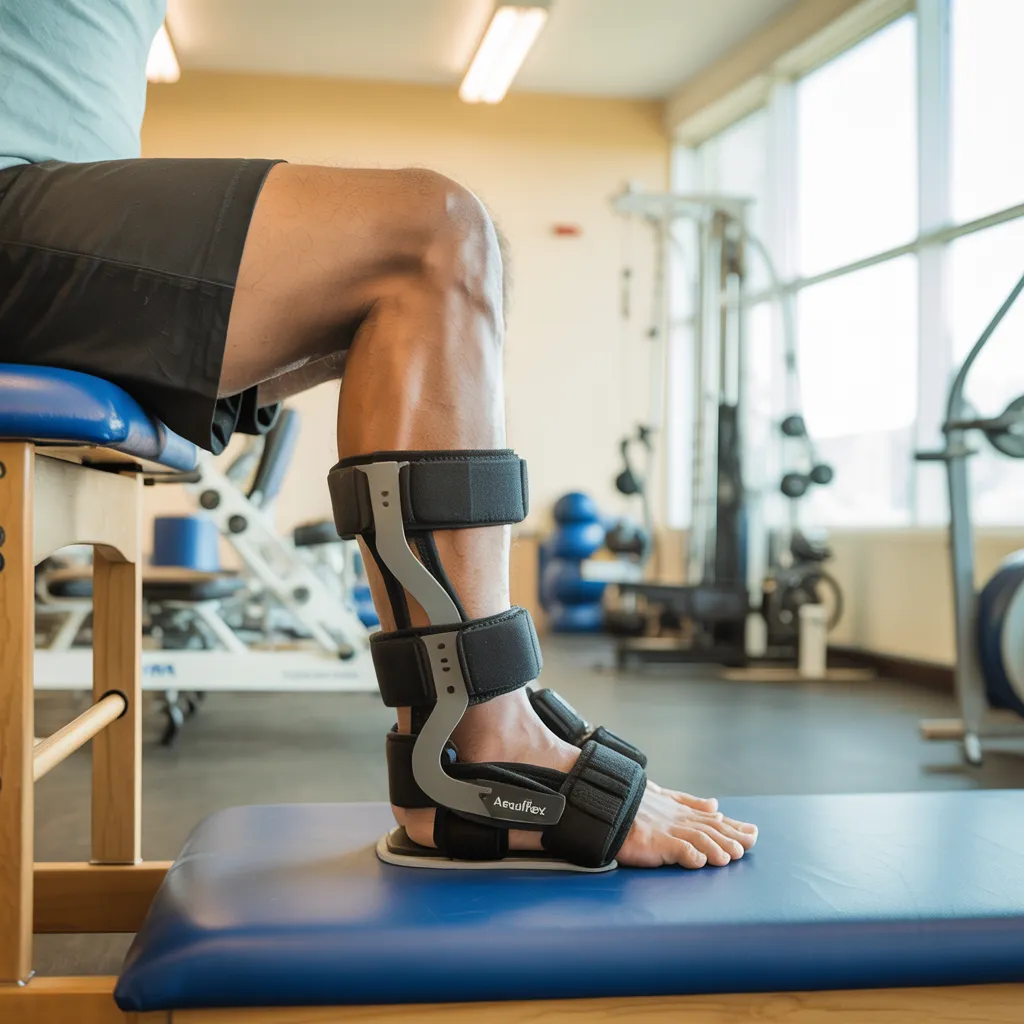
Aequi Flex Ankle Brace: Adjustable Orthopedic Support
Typical Ankle Injuries and How the Correct Support Can Assist
Ankle injuries are prevalent, particularly among athletes and active individuals. Sprains, strains, and fractures may result from numerous factors, including incorrect movements and overwhelming force. Such injuries frequently result in pain, swelling, and a notable reduction in mobility. Understanding the types of injuries and the importance of proper support is essential for effective recovery. Appropriate interventions can play a significant role in recovery and future injury prevention. What particular actions can strengthen recovery and promote long-term resilience?
What Are the Typical Types of Ankle Injuries?
When people participate in physical pursuits, they often are exposed to the danger of experiencing various ankle injuries. The most frequently occurring types include sprains, strains, and fractures. Ankle sprains happen when ligaments become stretched beyond their limits or are torn, typically resulting from sudden twisting movements. Strains impact the surrounding muscles or tendons of the ankle and can develop from excessive effort or incorrect form during physical pursuits. Fractures, defined as breaks within the ankle bones, may result from significant trauma or falls. All forms of injury exhibit characteristic symptoms, often including pain, swelling, and limited mobility. Compounding factors such as poor footwear, uneven surfaces, and lack of conditioning can increase the likelihood of these injuries. Comprehending these frequent ankle injuries is critical for sports participants and active individuals, as it facilitates improved preventive approaches and educated decisions about obtaining suitable medical attention.
How to Tell the Difference Between a Sprain, Strain, or Fracture
Recognizing the distinctions among sprains, strains, and fractures is critical for proper treatment. Every injury type displays different symptoms, which can support preliminary assessments. Furthermore, several diagnostic techniques can help healthcare professionals achieve accurate diagnoses.
Signs of Ankle Injuries
A number of symptoms can help identify the differences between a sprain, strain, and fracture in ankle injuries. Sprains usually appear with swelling, bruising, and reduced range of motion, often paired with a popping sound at the time of the injury. Strains, by contrast, can produce pain and tenderness in the muscles or tendons, frequently resulting in difficulty with movement. Fractures are distinguished by serious pain, swelling, and deformity, commonly resulting in the inability to place weight on the affected ankle. Although sprains and strains can occasionally be treated with rest and ice, fractures frequently require prompt medical attention to ensure appropriate healing. Understanding these symptoms is vital for timely and appropriate care.
Diagnostic Methods Explained
To accurately distinguish between a sprain, strain, or fracture, healthcare professionals employ both physical examinations and imaging methods. At the outset, they evaluate the patient's range of motion, swelling, and pain levels through a thorough physical examination. Particular assessments may be carried out to assess the stability of ligaments and the strength of muscles.
If further evaluation is needed, imaging modalities such as MRIs, X-rays, or CT scans are used. X-rays are particularly effective for detecting fractures, while MRIs provide detailed images of soft tissues, aiding in the detection of sprains and strains. By integrating clinical assessments with appropriate imaging, healthcare providers can accurately diagnose the type of ankle injury, informing targeted treatment and recovery approaches.
Essential Rehabilitation Exercises for Ankle Recovery
Rehabilitative exercises serve a critical role in ankle healing, working to rebuild strength, mobility, and stability. One particularly useful exercise is the ankle alphabet method, in which patients trace the alphabet with their toes to enhance range of motion. Another valuable option is the resistance band exercise, which targets ankle dorsiflexion and plantarflexion, enhancing strength. Toe raises are also helpful, as they promote calf strength and improve balance. In addition, balance-focused exercises such as standing on one leg help develop proprioception and overall stability. Finally, gentle stretching exercises for the calf and Achilles tendon can maintain flexibility and prevent stiffness. Integrating these exercises into a structured rehabilitation program can greatly assist in recovery, enabling individuals to regain full function of their ankles. Consistency alongside gradual advancement in challenge levels are key to achieving the best results, ensuring that individuals can return to their regular activities safely and effectively.
Ways Braces Can Support Your Healing
Braces serve a vital function in the healing process for ankle injuries, supporting rehabilitation activities. They provide stability and support, which are important for safeguarding the affected area during healing. By stabilizing the joint, braces can minimize unnecessary movement that may result in additional injury. This stabilization permits individuals to comfortably perform designated therapeutic activities without risking re-injury.
Furthermore, braces are able to minimize swelling and pain by providing compression. This quality improves blood circulation, facilitating speedier recuperation. Several types of braces, including hard and soft options, address varying injury levels and individual comfort.
In addition, wearing key resource a brace can instill confidence in patients, prompting them to progressively get back to their regular activities. All things considered, the correct application of braces is vital for achieving effective recovery, functioning as a fundamental resource in the treatment of ankle injuries as it supports the body's innate healing mechanisms.
Selecting Footwear to Aid Ankle Recovery
Picking the appropriate footwear is crucial for effective ankle recovery. Supportive shoe features and proper fit can significantly boost stability and comfort during the rehabilitation process. Additionally, materials that prioritize comfort play an significant role in reducing strain on the affected ankle.
Why Proper Fit Matters
Well-fitted shoes plays an essential role in the rehabilitation process following an ankle injury. Poorly fitted footwear can exacerbate pain and hinder healing by adding undue strain on the ankle. A secure fit helps preserve balance and lowers the likelihood of further injury, allowing individuals to recover full motion. It is essential for footwear to accommodate any swelling, offering sufficient space without being too slack. Additionally, the arch and heel cushioning should align with the foot's natural contours to encourage healthy movement. Selecting shoes that ensure a secure fit can improve overall comfort and support a faster recovery. Ultimately, investing in well-fitted footwear is critical for efficient recuperation and avoiding future ankle problems.
Important Shoe Support Elements
Footwear built with supportive characteristics can profoundly impact the healing journey after ankle injuries. Shoes featuring proper arch support aid in spreading weight evenly, lessening pressure on the ankle. A firm heel counter provides stability, reducing excessive motion that could aggravate an injury. In addition, cushioned midsoles minimize impact, reducing stress during everyday activities. A customizable lacing system provides a secure fit, which is vital for preserving correct alignment and support. Furthermore, an ample toe box enables natural foot movement and reduces extra pressure on vulnerable areas. Selecting footwear with these characteristics not only assists in healing but also fosters long-term ankle wellness, ultimately resulting in enhanced mobility and function.
Comfort-Oriented Materials
When selecting materials for comfort in shoes, it is essential to contemplate how they aid in ankle recovery. Gentle, breathable materials like mesh or neoprene can minimize discomfort while allowing for ventilation. Additionally, cushioned insoles made from memory foam or gel provide essential support and shock absorption, reducing strain on the ankle. Lightweight materials are important as well, as they minimize excess fatigue during rehabilitation. Furthermore, shoes with a broad toe box help address swelling, ensuring sustained comfort while healing. Lastly, durable yet adaptable outsoles made from rubber or EVA (ethylene-vinyl acetate) enhance grip and stability, encouraging safer mobility. Overall, the ideal combination of materials can significantly support recovery and improve overall comfort.
Effective Practices to Avoid Ankle Injuries
Avoiding ankle injuries demands a proactive approach that incorporates various strategies. To begin, individuals should prioritize proper footwear, making sure shoes offer sufficient support and padding suited to particular activities. In addition, incorporating strength-building and flexibility workouts can boost stability and minimize injury risk. Consistently including balance exercises, including the use of a wobble board or single-leg balance drills, is also beneficial.
Moreover, it is important to adequately warm up and cool down before and after physical exercise. People should also be attentive to their environment, staying away from uneven terrain and obstacles that could contribute to falls. Finally, being attentive to bodily signals is crucial; any pain or discomfort should never be ignored. By adhering to these guidelines, adults can considerably diminish the chances of ankle injuries and maintain an active lifestyle.
Answers to Your Most Common Questions
Can Ankle Injuries Result in Long-Term Complications?
Ankle trauma can lead to long-term complications, including ongoing pain, instability, and increased risk of arthritis. Appropriate rehabilitation and support are critical for limiting these risks and supporting full recovery and function.
How Can I Tell When It's Time to See a Doctor?
If pain persists beyond a few days, swelling worsens, or movement becomes significantly restricted, seeking medical advice is recommended. Additionally, indications of infection or pronounced bruising require prompt medical evaluation for proper evaluation.
What Is the Role of Nutrition in Recovery?
Nutrition plays an essential role in the recovery process by supplying key nutrients that encourage healing, minimize inflammation, and aid in tissue repair. Sufficient protein, vitamins, and minerals improve overall recovery, allowing for a more rapid return to normal function.
What Specific Stretches Help with Ankle Flexibility
Yes, dedicated exercises for improving ankle flexibility involve ankle circles, calf stretches, and toe raises. These stretching techniques boost range of motion, support healthy circulation, and promote overall joint health, contributing to better ankle function and injury prevention.
How Do I Build Stronger Ankles to Avoid Injuries?
To strengthen ankles and prevent injuries, incorporating resistance exercises, balance training, and proprioceptive activities is essential. Movements including ankle circles, toe raises, and resistance band training can boost stability and preserve joint integrity with great effectiveness.