Discover a Home Paternity Test for Peace of Mind
The Emergence of Home-Based Paternity Tests: Reliability, Discretion, and Accessibility
The growing popularity of home paternity tests represents a considerable change in how people approach paternity confirmation. With accuracy rates often exceeding 99%, these tests present a practical means for DNA sample collection. However, significant concerns about privacy about DNA data remain prevalent. As an increasing number of individuals evaluate these tests, they need to consider the implications of accuracy, privacy, and emotional consequences. What factors should they prioritize in determining the right course of action?
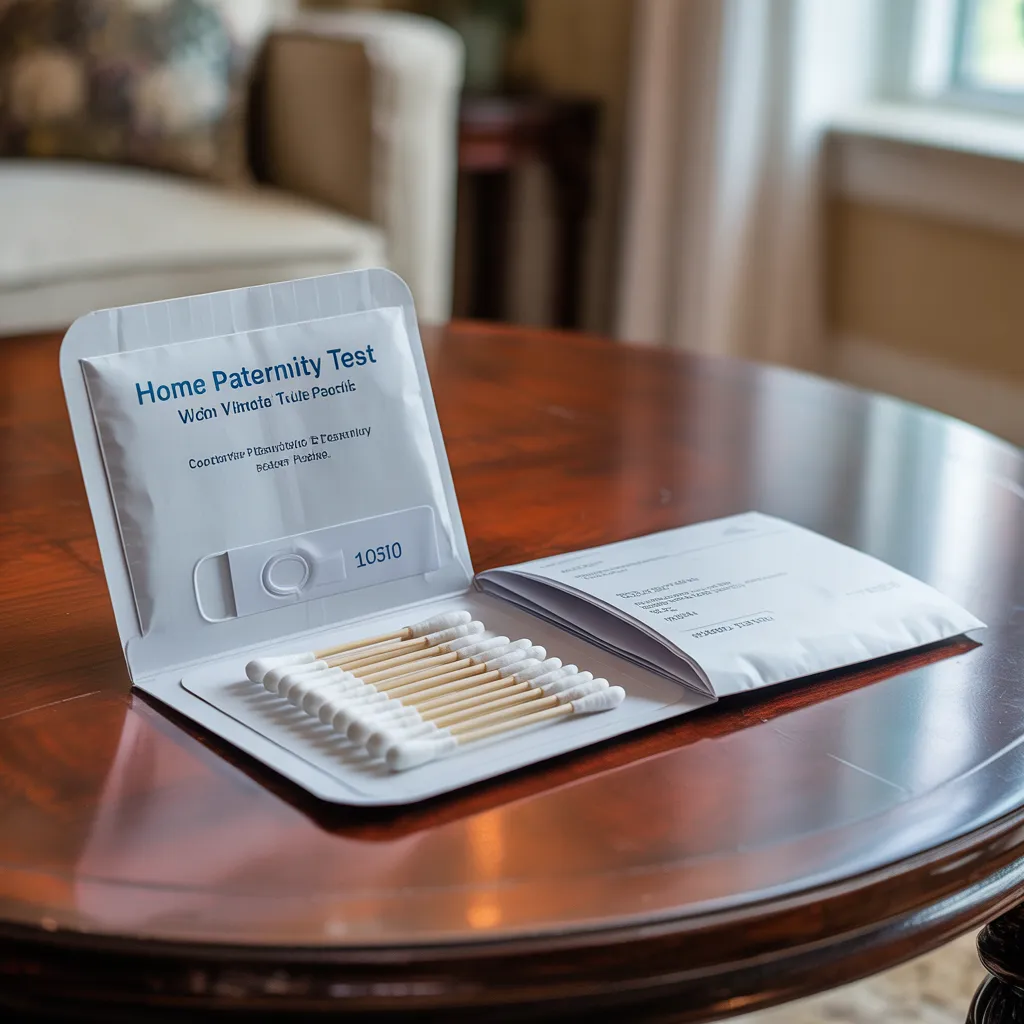
How Do Home Paternity Tests Work?
Home paternity tests typically function by means of an uncomplicated method involving the collection of DNA samples. Participants obtain a testing package equipped with swabs intended for cheek cell collection, generally from the alleged father and the child in question. Individuals are directed to carefully swab the interior of their cheeks so as to obtain enough DNA for testing. After collecting the samples, they are stored in specified collection vessels and sent to a laboratory for analysis.
Within the lab, the DNA is extracted and analyzed to identify specific genetic markers. This analysis compares the DNA samples of the child and the alleged father to determine paternity. Outcomes are generally provided within a few days, and the process is designed to useful tips be user-friendly, providing minimal stress. Home testing convenience attracts numerous individuals, permitting individuals to obtain clarity in the privacy of their own environment. This method emphasizes the test's growing popularity as a dependable choice for establishing paternal identity.
What Is the Accuracy of Home Paternity Tests?
What level of accuracy do home paternity tests provide in establishing biological relationships? In most cases, these tests are reported to deliver a high accuracy rate, commonly exceeding 99% when administered under the right conditions. The process involves analyzing DNA specimens from the presumed father, child, and in some instances the mother, matching genetic markers to determine a relationship. That said, the precision of these tests can be compromised by issues like sample contamination or inadequate handling practices.
Many home tests utilize advanced techniques similar to those found in professional labs, yet they may be without the stringent oversight characteristic of professional testing. Furthermore, results can vary between various brands and products, underscoring the significance of choosing a trusted supplier. While home paternity tests can offer a reliable sign of familial relationships, individuals should approach them with caution, recognizing that significant emotional and legal ramifications may result from the findings. At the end of the day, for absolute certainty, consulting a certified laboratory is recommended.
What Are the Privacy Concerns?
Whereas home paternity tests present a convenient way to establish genetic connections, they also introduce significant privacy concerns. The acquisition and processing of genetic data, commonly obtained through cheek swabs or saliva samples, may result in unauthorized access or misuse. A large number of firms do not assure the confidentiality of submitted samples, exposing individuals to the risk of security breaches and data exposure.
Furthermore, the findings may be disclosed to third parties without express consent, amplifying concerns of stigmatization or prejudice. Customers may also be uninformed of how their genomic data will be stored or potentially used for research purposes.
In addition, the affective dimensions connected to surprising discoveries can create additional challenges within the privacy framework. On the whole, while such tests offer ease and accessibility, the lack of stringent regulations and transparency in data handling prompts critical examination about the privacy rights of individuals and ownership of their own genomic information.
How Do Test Outcomes Impact Emotional Well-Being?
The emotional consequences from paternity test results can be deep and wide-ranging. People may experience a whirlwind of feelings, ranging from joy and comfort to feelings of betrayal and anger. For certain individuals, a positive match can validate longstanding assumptions, fostering a sense of connection and security. In contrast, a negative result may lead to a sense of confusion, disbelief, and sorrow, particularly if a close family tie is brought into doubt.
Such feelings can extend beyond the individual to impact relationships within families. Parents may grapple with guilt or fear concerning what this means for their children, while brothers and sisters may experience changes in how they view family relationships. Additionally, societal stigma may intensify these emotions, as individuals cope with societal norms around parentage. In the end, the psychological impact of paternity testing outcomes varies widely, emphasizing the complicated connection between personal identity, trust, and mental health.
Key Factors for Choosing a Home Paternity Test
Working through the emotional journey after paternity test results frequently causes people to contemplate their next steps carefully, particularly when deciding on a home paternity test. A number of important considerations require careful thought to ensure a dependable and favorable outcome.
As a primary consideration, exactness is critical; users should pursue tests that demonstrate strong sensitivity and specificity ratings. Following this, simplicity of use is fundamental; a clear and direct collection method can minimize stress. Privacy is another significant concern; reputable companies should guarantee secure handling of personal data and results.
Expense is also a key factor; those considering the service should measure the fee against the test's legitimacy and available support. In addition, client feedback and testimonials offer valuable perspectives from previous users, providing direction when navigating available choices. By thoroughly considering these aspects, individuals can make informed choices that align with their needs and expectations.
Popular Questions We Receive
Can Home Paternity Tests Be Used as Legal Evidence in Court?
Home paternity tests are typically not legally admissible in court because of accuracy concerns and the absence of standardized procedures. Judicial proceedings commonly require testing performed by accredited laboratories to be considered credible legal proof in paternity proceedings.
How Long Do Home Paternity Test Results Take?
Results from home paternity tests generally take between three to five days for processing. Certain providers offer accelerated processing services, reducing the wait time to just 24 hours, subject to the specific method of testing chosen.
Is Retesting an Option if I'm Uncertain About My Results?
Yes, people can repeat the test if not confident in the results. It's advisable to allow some time to pass before testing again to guarantee accuracy. Seeking professional advice can also help determine the most appropriate course of action.
What Samples Are Required for Home Paternity Tests?
Residential paternity test kits generally need cheek swabs from both the child and the presumed father, though certain kits can also accommodate blood samples. Proper collection and handling of these samples are essential for accurate results.
Are There Age-Related Limitations for Children's Testing?
There are typically no particular age limitations when testing children using home paternity tests. However, obtaining consent from a legal guardian is typically required, making certain that the child's rights and privacy are upheld during the entire process.