Helpful Tips to Paternity Test Kit
Picking the Ideal Home Paternity Test: Important Considerations
Selecting a at-home paternity test demands thoughtful assessment of various factors. The sample collection method, the reputation of the provider, and the quality of instructions provided all serve important functions in ensuring accurate results. Moreover, knowing what guarantees are available can deliver confidence in your choice. Since the available choices can seem daunting, it's essential to examine these factors more closely to reach a well-considered conclusion that meets specific individual circumstances.
Home Paternity Test Types You Should Be Aware Of
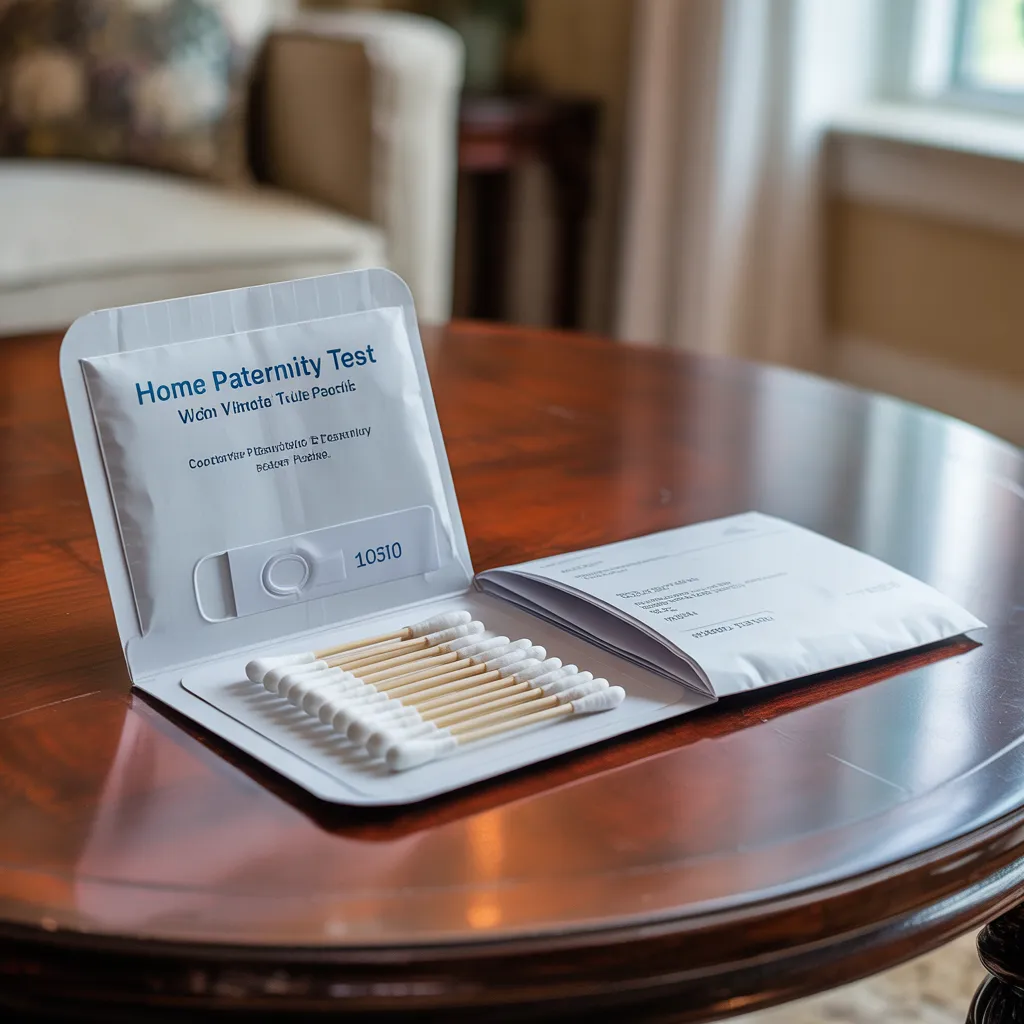
When evaluating home paternity tests, individuals come across multiple alternatives crafted to address diverse circumstances. The most common types include buccal swab tests, which obtain DNA specimens via a simple, pain-free approach. These options are commonly chosen for their user-friendly nature and consistent results. A further alternative is the blood sample test, which involves collecting a blood sample and may yield more definitive findings. Certain providers additionally offer prenatal paternity determination, allowing expectant parents to determine paternity before birth using a maternal blood specimen and an oral swab from the alleged father. Moreover, convenient at-home packages are offered that merge DNA gathering with web-based processing, permitting users to access their outcomes in a hassle-free manner. Every option carries its own benefits and constraints, rendering it important for individuals to decide based on their particular situation and personal preferences.
Critical Factors to Assess Test Accuracy
When picking a at-home paternity test, the precision of the outcomes is of utmost importance. Important factors to evaluate include the sample collection method, the accreditation status of the laboratory, and the testing technology utilized. Evaluating these components can significantly affect the reliability of the test outcomes.
Sample Collection Method
While various sample collection methods exist, their impact on test accuracy is a crucial consideration for those selecting a home paternity test. Common methods include blood samples, cheek swabs, and saliva collection. Cheek swabs are commonly chosen for their convenience and non-invasive characteristics, permitting swift collection without the need for medical supervision. Blood samples, though more precise, necessitate professional collection and tend to be less comfortable. Saliva tests offer a compromise but can yield inconsistent results based on collection method. Each method's reliability is influenced by factors such as contamination risk and sample degradation. Consequently, prospective users must evaluate their comfort level with each method and its potential impact on the accuracy of the test results.
Lab Accreditation Overview
The precision of a at-home paternity test reaches further than the method of sample collection to the laboratory where the evaluation is conducted. The testing facility's certification status is an essential consideration in assessing test reliability. Certified laboratories follow stringent industry standards and guidelines, ensuring that their test procedures are confirmed and consistent. Bodies such as the AABB and the International Organization for Standardization provide accreditation, signifying a focus on precision and quality. Consumers should confirm whether the chosen testing facility is certified and understand the consequences of utilizing non-accredited laboratories, as this can substantially influence the findings. Ultimately, selecting a DNA test from an certified laboratory increases trust in the precision of paternity testing results.
Testing Technologies Employed
Examining the diagnostic techniques used in at-home paternity testing is critical for establishing their precision and dependability. The majority of credible tests utilize sophisticated DNA examination methods, such as PCR and STR analysis, which replicate and analyze targeted DNA indicators. These methods enhance precision in establishing family relationships. Additionally, the volume of genetic indicators analyzed can significantly influence results; a larger amount generally corresponds to greater precision. It is also important to consider whether the test employs third-party laboratories, as external validation can bolster credibility. Prospective users should investigate the methods utilized and confirm it corresponds with industry standards to arrive at knowledgeable conclusions about the paternity test's potential effectiveness.
How to Choose the Easiest Home Paternity Test for You
When picking out a home-based paternity test, people should evaluate a number of important factors to ensure convenience and usability. Test accuracy assurance, the method of sample collection, and privacy and confidentiality are essential factors that can influence the experience as a whole. By evaluating these points, one can identify the best and most trustworthy solution for their specific needs.
Test Accuracy Assurance
What steps can ensure the reliability of a home paternity test? The first step involves picking a credible testing provider. Testing providers ought to demonstrate a track record of accurate outcomes and follow established industry guidelines. It is also important to verify that the test uses advanced DNA analysis methods, such as PCR (Polymerase Chain Reaction), which improves precision. Verifying certifications and accreditations awarded by well-known organizations can additionally strengthen trustworthiness. Moreover, client reviews and personal accounts can shed light on the experiences of others regarding the test's precision. In conclusion, reviewing the company's assurance or warranty agreements can supply a sense of security. Taking all of these elements into account, people can significantly improve their likelihood of receiving a reliable home paternity test outcome.
Sample Collection Method
Picking the most suitable method of sample collection is crucial for securing a seamless home paternity test process. Several options exist, including oral swabs and saliva specimens, which are typically less complicated to gather than blood samples. Oral swabs require rubbing a gentle cotton swab against the interior of the cheek, making them user-friendly and non-invasive. Saliva collection can also be straightforward, requiring participants to provide a sample into a collection tube. When deciding on a method, individuals should evaluate comfort, the number of participants, and ease of use. Furthermore, clear instructions provided by the test kit can make the process more efficient, minimizing the chance of mistakes. In the end, an accessible collection method enhances the overall testing experience and ensures reliable results.
Privacy and Data Protection
What factors should one consider regarding data protection and discretion when picking a home-based paternity test? Individuals must prioritize providers that focus on protected data processing and discretion standards. It is important to examine the provider's privacy policy, verifying that personal details and outcomes are kept away from unauthorized third parties. Moreover, consumers should question whether the specimen collection procedure is confidential and if the packaging is nondescript to protect identity. Test findings should optimally be sent in a safe format, such as through password-secured web access or encrypted correspondence. At the end of the day, opting for a credible company that respects privacy can significantly enhance confidence throughout this delicate procedure.
Identifying a Reputable Paternity Test Provider
When seeking a reliable paternity testing provider, it is essential to assess several key factors that determine reliability. Initially, individuals should check the company's accreditation and certifications, making sure it complies with established standards. A reputable provider will generally be certified by institutions such as the AABB (American Association of Blood Banks) or ISO (International Organization for Standardization).
In addition, customers should consider customer reviews and testimonials, which can provide information about others' interactions. A reputable provider will frequently have clear information regarding testing methods, timelines, and costs.
Moreover, assess the service provider's customer support. Responsive and knowledgeable support can greatly enhance the entire testing journey. To conclude, a dependable service provider will place emphasis on privacy and confidentiality, making sure that personal data is handled with care. By diligently examining these considerations, clients can arrive at confident decisions when selecting a paternity test provider.
Legal Factors to Consider for Home Paternity Tests
How do legal considerations impact the choice of a home paternity test? Those looking for answers about paternity should understand that not all home tests produce legally admissible results. Legally recognized paternity tests demand a chain of custody to ensure sample integrity, usually requiring a licensed professional to gather samples. This differentiation is vital for those who could need results for legal proceedings, custody disagreements, or child support concerns.
Moreover, the laws regarding paternity testing can differ significantly by jurisdiction. Various localities may impose specific requirements on how tests are conducted and applied. Consequently, individuals should ensure that the test they opt for meets legal standards in their area. Overlooking these legal guidelines can lead to invalid results, further complicating family matters unnecessarily. It is recommended for individuals to speak with legal professionals if they anticipate needing the results for official purposes, ensuring they identify an proper testing approach.
Your Next Steps Following Your Home Paternity Test Results
Following the receipt of results from a home paternity test, individuals often face important decisions regarding their next steps. An initial priority is validating the precision of the findings. Should uncertainties emerge, seeking a professional retest through a certified laboratory may provide clarity.
Next, individuals should evaluate the emotional consequences of the outcomes. Initiating open dialogue with close family can promote understanding and connection. Based on the outcomes, some may decide to pursue a formal legal paternity agreement, especially if custody or child support issues are a concern.
Speaking with a qualified attorney can provide clarity on these intricate matters. When the results establish familial ties, those involved could look into ways to foster those bonds, such as scheduling meetings or shared activities. At its core, the way ahead should focus on the psychological welfare and the overall welfare of everyone concerned, making certain that choices are reached in a mindful and considerate manner.
Financial Planning for Your Home Paternity Test
Budgeting for a home paternity test requires careful consideration of various factors to ensure affordability without sacrificing quality. Initially, individuals should investigate the price range of current tests, as costs can vary significantly based on brand and technology used. Most reliable tests typically range from $100 to $500, depending on the complexity and accuracy of the results.
Alongside the initial purchase price, you should consider potential shipping fees, especially if samples need to be sent to a lab. Certain providers may also impose fees for supplementary services, like expedited processing or detailed reports.
Furthermore, consumers should examine the credibility of the testing service, as cheaper options may produce questionable outcomes, becoming a costlier decision in the end. By weighing these elements, consumers can successfully plan the cost of a personal paternity test that aligns with their budget while ensuring trustworthy outcomes.
Common Questions and Answers
How Long Does It Take to Process a Home Paternity Test?
A standard home paternity test usually takes anywhere from three to seven business days for processing. Processing times may vary based on the testing facility's workload and the specific testing method utilized, guaranteeing accurate and dependable results for everyone involved.
Can I Use a Home Paternity Test for Legal Purposes?
Consumer paternity tests are usually not accepted for use in legal proceedings, as they do not have the necessary chain-of-custody procedures. For legal validity, individuals should obtain tests conducted by accredited testing facilities that adhere to established legal requirements.
What Happens if the Results Are Inconclusive?
If the results are inconclusive, individuals might consider retesting with another kit or pursue professional laboratory testing. Unclear results may stem from inadequate sample quality or sample contamination throughout the testing process.
Do Age Restrictions Apply When Testing Children?
There are generally no strict age restrictions for testing children in home paternity tests. However, some companies recommend testing children over a certain age to guarantee accurate, reliable results and minimize emotional stress.
What Is the Process for Collecting Samples for the Test?
To gather samples for the test, one should utilize a cheek swab or cotton swab to softly swab the inner cheek area, being careful to follow the instructions provided with the read the facts at-home paternity testing kit.