Top Rated Thumb Brace
Best Orthopaedic Products for Thumb Injuries: What You Need to Heal
Thumb injuries have the potential to profoundly influence daily routines and overall well-being. Understanding the essential orthopedic supplies is important for effective healing. Essential tools, including splints and medical tapes, serve a critical function in the healing process. Furthermore, therapeutic instruments and pain management techniques are important elements of a comprehensive treatment plan. Yet, recognizing when to pursue expert medical care and how to minimize the risk of recurring injuries is equally critical. The next steps in recovery may surprise you.
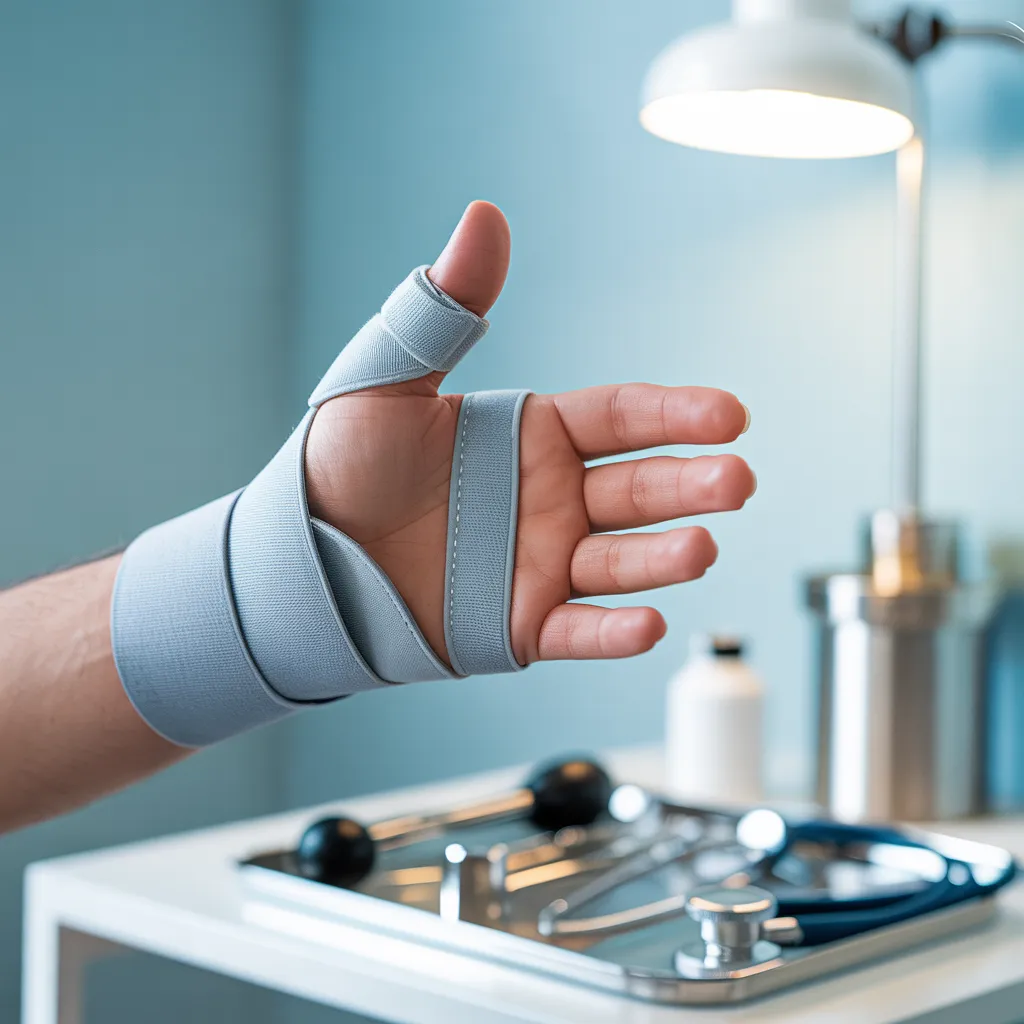
Important Supports for Thumb-Related Injury Recovery
Essential splints play an important role in the healing journey for thumb-related injuries, delivering support and stability. These tools restrict thumb movement, avoiding additional stress and allowing for ideal healing. Several splint options exist, such as firm and soft designs, each designed to meet specific injury needs. Rigid splints offer maximum support, suitable for fractures or severe sprains, while soft splints provide flexibility and comfort for mild injuries.
Proper fitting is essential; a poorly fitted splint may impede recovery or lead to further discomfort. It is commonly recommended that patients wear splints during tasks that could stress the thumb, providing adequate protection throughout everyday activities. Additionally, some splints incorporate breathable materials, enhancing wearability over extended periods. Overall, essential splints are indispensable tools in the rehabilitation of thumb injuries, assisting patients in restoring mobility and resuming daily activities more quickly.
Selecting Medical Tapes That Suit Your Needs
Choosing the appropriate medical adhesive tape is vital for effective thumb injury treatment. Different kinds of medical tape, each with unique characteristics, can greatly impact the healing process. Learning proper application methods and guidelines will improve the efficiency of these supplies.
Varieties Of Medical Tapes
Medical tapes serve a critical function in the care and management of thumb injuries, offering support and stability to the impacted area. Various types of medical tapes are available, each fulfilling particular functions. Adhesive tape is commonly used for fastening dressings and stabilizing the thumb. Kinesiology tape, known for its elasticity, offers dynamic support, supporting mobility while minimizing discomfort. Cohesive bandages adhere to themselves but not to the skin, making them suitable for application without causing discomfort. Rigid strapping tape offers superior support for significant injuries, limiting excessive motion. Each variety features unique qualities, permitting individuals to identify the best option based on their specific needs and recovery goals. Selecting the right tape is vital for effective healing.
Application Techniques And Suggestions
Picking the correct medical tape is only one aspect of the process; proper application techniques greatly influence the efficiency of support for thumb injuries. To begin, ensure the skin is free of moisture and debris to enhance adhesion. When putting on tape, start at the base of the thumb and wrap towards the tip, ensuring flexibility at the joints. Avoid wrapping too tightly to eliminate circulation issues. Additionally, try overlapping the tape a little for better support and stability. For added comfort, use a hypoallergenic tape to minimize skin irritation. Lastly, regularly check the application; redo the application if the tape becomes loose or if any pain arises. Applying these practices ensures maximum healing and support for thumb injuries.
Therapeutic Tools for Effective Thumb Recovery
Successful thumb rehabilitation frequently depends on utilizing specialized tools intended to support recovery and build strength. Splints provide essential stabilization, enabling correct alignment throughout the healing process, as strengthening exercise tools support muscle rehabilitation. Combined, these tools serve a critical function in rebuilding thumb functionality and range of motion.
Splints for Stabilization
When a thumb injury occurs, utilizing splints for stabilization becomes vital for supporting a healthy recovery. These devices work to immobilize the affected thumb, avoiding additional strain and permitting the recovery process to start. They are constructed to maintain the thumb in a correct position, alleviating pain and helping to manage inflammation. Various types of splints are available, such as thermoplastic and soft fabric varieties, each suited to different injury types and comfort preferences. By ensuring proper stabilization, these supports work to safeguard the injured area throughout everyday tasks. Additionally, they can be easily adjusted or removed for hygiene purposes, making them a convenient option for long-term wear. In summary, splints serve a vital function in the recovery journey after a thumb injury.
Tools for Strengthening Exercises
Strengthening exercise tools are crucial for enabling successful thumb rehabilitation following an injury. Such tools help rebuild strength, boost mobility, and restore proper function. Popular choices include resistance bands, which deliver variable tension for progressive rehabilitation, and grip strengtheners that help target the thumb's intrinsic and extrinsic muscles. Furthermore, therapy putty is suitable for numerous exercises, encouraging flexibility and coordination. Thumb-specific exercise devices, such as thumb trainers, are also beneficial for isolating movements and improving dexterity. Incorporating these tools into a rehabilitation routine not only accelerates healing but also helps prevent future injuries by ensuring the thumb is strong and resilient. Overall, consistent use of strengthening exercise tools is vital for a successful recovery journey.
Essential Pain Relief Approaches for Thumb Injuries
Even though thumb injuries differ in their severity, implementing effective pain relief strategies is essential for recovery. To begin, applying ice packs can aid in minimizing swelling and dulling pain, ideally for 15-20 minutes several times a day. Over-the-counter non-copyrightal anti-inflammatory drugs (NSAIDs), including ibuprofen or naproxen, can also provide significant relief by addressing both pain and inflammation.
Moreover, stabilizing the thumb with a protective splint or brace can promote healing and prevent further injury. Raising the hand above the level of the heart may aid in decreasing swelling. For ongoing discomfort, thermal therapy, utilizing heating pads or warm compresses, can improve blood flow and relieve stiffness.
Additionally gentle range-of-motion exercises, when acute pain diminishes, can aid recovery to ensure the thumb regains strength and flexibility. These approaches collectively establish a comprehensive method for addressing pain and promoting healing when treating thumb injuries.
At What Point Should You Seek Professional Help for Thumb Injuries?
How can one determine the appropriate time to seek professional help for a thumb-related injury? Recognizing when to consult a healthcare professional is vital for effective recovery. Prompt care is necessary if there is intense pain, an obvious deformity, or inability to move the thumb. Moreover, continued swelling or bruising after a couple of days may suggest a more significant problem, such as a broken bone or ligament damage.
When symptoms involve numbness or tingling, this may indicate involvement of the nerves, requiring prompt evaluation. People should likewise pursue medical attention if home treatment methods, such as rest and ice, prove ineffective at reducing pain.
In the end, a medical professional can provide a comprehensive assessment and suitable interventions, including diagnostic imaging and splinting, to ensure correct healing. Prompt medical guidance can considerably affect the recovery process and prevent lasting complications associated with injuries to the thumb.
Ways to Prevent Future Thumb Injuries
After addressing the necessity for professional help with thumb-related injuries, it is essential to focus on prevention strategies. One can significantly lower their chances of subsequent injuries by adopting a few essential habits. As a starting point, proper ergonomics during activities, such as typing or using tools, can decrease stress on the thumb. Using thumb braces or supportive devices during activities with elevated risk provides extra protection.
Additionally, incorporating regular hand and thumb workouts enhances endurance and range of motion, lowering vulnerability to injuries. It is equally important to rest between recurring activities, giving the thumb time to rest and recover.
Finally people ought to be aware of their environment to minimize mishaps that may cause thumb harm. Through implementing these measures, one can effectively guard against possible thumb harm and maintain top hand condition.
Common Questions and Answers
How Long Does a Thumb Injury Take to Heal?
The recovery time for a thumb injury generally spans from several weeks to a few months, depending on the severity and type of the injury. Proper care and rehabilitation can significantly impact recovery duration and effectiveness.
Can I Still Exercise With a Thumb Injury?
Physical activity despite a thumb injury is often possible, depending on the severity. Adjusted exercise routines that prevent stress on the injured thumb can assist in keeping you fit, but speaking with a healthcare provider for tailored advice is recommended.
What Are the Signs of a Serious Thumb Injury?
Signs of a significant thumb injury consist of extreme pain, swelling, discoloration, restricted thumb movement, deformity, and prolonged numbness. When these signs are present, consulting a medical professional is necessary for appropriate diagnosis and care.
Are There Home Remedies Available for Thumb Pain?
Home remedies for thumb pain include applying ice to reduce swelling, using elevation to minimize discomfort, and doing light stretching movements. In addition, ginger or turmeric tea can be beneficial thanks to their anti-inflammatory qualities.
How Do I Build Thumb Strength Following Recovery?
To enhance thumb strength following recovery, one can engage in resistance-based movements, work with examination therapy putty, complete finger stretching exercises, and steadily advance gripping exercises. Regular practice and patience are critical for the best possible recovery and strength development.